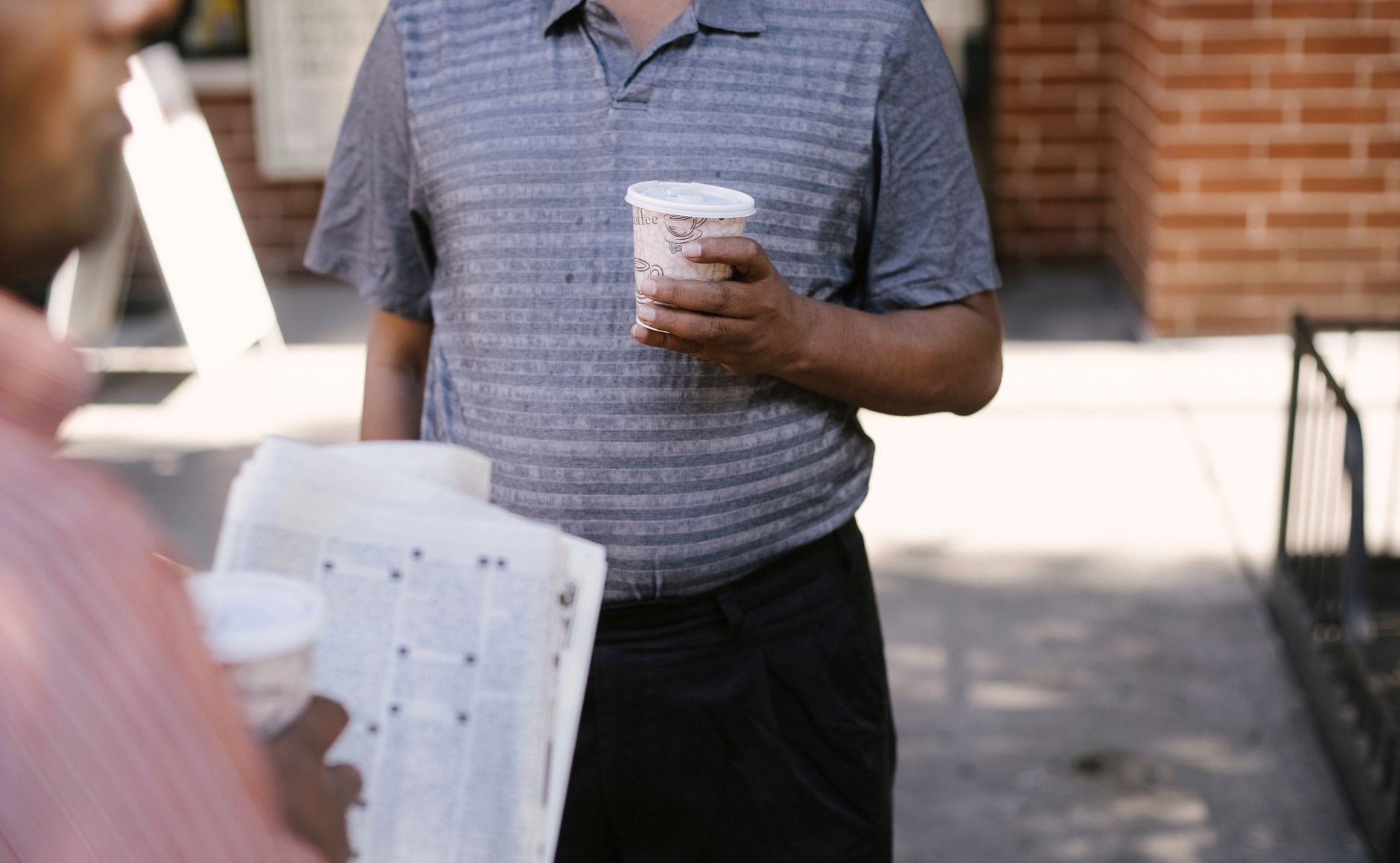
The coffee was still brewing when my neighbor Dana leaned over the fence and asked if I’d heard about the road closure downtown. I hadn’t. She’d read it somewhere that morning while waiting for her kids to finish breakfast, and by the time she mentioned it, three other people on our street had already changed their commutes. That’s how it usually goes here. Something happens, and the news travels between porches and group chats faster than any official announcement.
Living in Florida means living with a certain amount of unpredictability. One week it’s a tropical storm forming in the Gulf, the next it’s a new ordinance about beach parking, and somewhere in between there’s a festival, a school schedule change, or a stretch of construction that turns a ten-minute drive into a small adventure. Staying informed isn’t about being glued to a screen. It’s about knowing where to glance when you need to plan your day around real life.
The Morning Scramble to Know What’s Going On
Most of us don’t have time to sit down and read the news the way our parents did. My mornings are a blur of packing lunches, hunting for a missing shoe, and trying to remember whether it’s a recycling day. But I’ve learned that a quick scan of the headlines can save me from a lot of afternoon headaches.
Take weather, for example. In summer, an afternoon storm can roll in without much warning, and knowing whether it’s going to hit before or after school pickup genuinely changes how I plan the day. A friend of mine cancels her outdoor client meetings the moment she sees a serious system forming. She keeps an eye on a roundup of statewide happenings before she commits to anything on the calendar, and it’s saved her from more than one rained-out appointment.
It’s the small stuff, too. A water main break two neighborhoods over. A local road repaving project. A power outage that a coworker mentions before it shows up officially. These aren’t dramatic, front-page stories, but they’re the details that shape an ordinary Tuesday.
When Local News Feels Personal
There’s something about Florida communities that makes local news feel close to home. Maybe it’s because so many of us moved here from somewhere else and built our sense of belonging through the little things—the diner that knows your order, the farmers market on Saturday, the high school football scores everyone talks about on Monday.
I remember when a small bakery near my house nearly closed after a rough season. It was a story that would have slipped by unnoticed if a neighbor hadn’t shared it. Within a week, the place had a line out the door because word had spread. That’s the kind of thing you find when you follow a source covering what’s happening around the state—not just the big events, but the human ones that remind you a community is made of people, not headlines.
My aunt, who’s retired and lives up the coast, treats her morning read like a ritual. Coffee, a comfortable chair, and a slow scroll through the day’s stories. She’ll call me to talk about a new park opening or a debate at a city council meeting. For her, it’s less about being informed and more about staying connected to the place she’s spent decades loving.
Planning Around the Chaos
Anyone who’s tried to run errands during snowbird season knows that timing is everything. The grocery store at 4 p.m. in February is a different world than at 9 a.m. in July. Traffic patterns shift, restaurants get busier, and even a routine trip to the pharmacy can take twice as long.
I’ve started checking for event listings before I plan a weekend of errands. A marathon downtown, a beachside concert, or a big convention can quietly reshape half the city’s roads. Once, I drove straight into a road-closed detour that added forty minutes to a simple trip, all because I hadn’t seen the notice about a charity run. Now I glance at a source that keeps track of local events and updates before I map out a busy day. It’s a small habit that spares me a lot of frustration.
The same goes for anyone running a small business. A friend who owns a food truck plans her whole week around what’s happening nearby. She knows a festival can mean her best sales day of the month, or that a sudden weather warning might mean packing up early. For her, keeping tabs on the news isn’t optional—it’s part of making a living.
Sorting the Useful From the Noise
Of course, not everything you read matters to your daily life. Part of staying sane is learning to filter. I don’t need to track every political back-and-forth to know whether I should bring an umbrella or avoid a certain intersection. What I want is the practical layer of information: the things that affect where I go, how I plan, and what I tell my family.
I’ve found it helps to have a couple of go-to spots rather than jumping around randomly. When something big happens—a storm strengthening, a major closure, an emergency notice—I want a place that pulls the details together quickly. A steady stream of timely updates on regional developments makes it easier to separate the genuinely important from the passing chatter. During hurricane season especially, that clarity is worth its weight in gold.
Last September, when a storm shifted course overnight, half my neighborhood was up early comparing notes. Should we board up? Fill the tubs with water? Wait it out? Having reliable information turned a stressful morning into a manageable one. We made our decisions, checked on the older couple two doors down, and got through it together.
The Everyday Value of Staying Connected
Beyond the emergencies and the logistics, there’s a quieter benefit to keeping up with what’s happening around you. It makes you feel like you belong to a place. You start noticing the new mural going up, the restaurant opening you’d been waiting for, the community cleanup you might actually join.
My teenage son, who I assumed cared about nothing beyond his phone, surprised me last month by mentioning a local environmental project he’d read about. He’d stumbled across it while browsing coverage of community and regional stories and decided he wanted to volunteer. It reminded me that staying informed isn’t just a chore for adults juggling schedules. It’s a way of seeing the place you live more clearly, and sometimes deciding to be part of it.
Florida never really slows down. The weather keeps us guessing, the seasons bring waves of visitors, and the calendar is always full of something. But there’s a rhythm to it once you learn to read the signs. A quick morning check, a mention over the fence, a heads-up from a neighbor—all of it adds up to a smoother, less surprising life.
Dana still leans over that fence most mornings with the latest bit of news. Sometimes I’ve already seen it, sometimes I haven’t. Either way, it’s become part of how we start our days—two people trying to stay a step ahead of a state that never sits still.